7 Trends Affecting Mobile App Development in 2022
Reading Time: 10 min

Kuldeepsinh Kumpavat

Jul 18,
2022 |
Posted in
Development
Nearly 30 years ago, the first mobile applications were introduced to the market: Address Book, Calculator, Calendar, Mail, Note Pad, and Sketch Pad. Today, there are approximately 2 million apps available for download on the App Store and over 2.6 million in the Google Play Store. A lot has changed in the past few decades with no sign of the revolution losing momentum. As consumer demands and technological advancements continue to dictate the market, it’s key for businesses to stay at the forefront of innovation.
In this article, we’ll cover 7 trends affecting mobile app development and explore how they’re continuing to transform and impact everyday life.
7 Mobile App Trends in 2022
Internet of Things (IoT) App Integration
IoT refers to physical objects that connect and exchange data with other devices and systems over the internet or other networks. Smart home technology and automotive connectivity are two notable examples of IoT and give credence to the continued rise in mobile app development.
Within homes, consumers can use mobile apps to lock and unlock doors and adjust their thermostats. Houshold appliances, including refrigerators, can also be connected and controlled via mobile apps. In vehicles, voice-enabled apps are not only a convenience, but help increase safety as drivers can go “hands-free” while making phone calls, changing stations, and utilizing GPS navigation.
Undoubtedly, this market is poised to continue in an upward trajectory with spending predictions soring to $1.6 trillion by 2025.
Apps for Foldable Devices
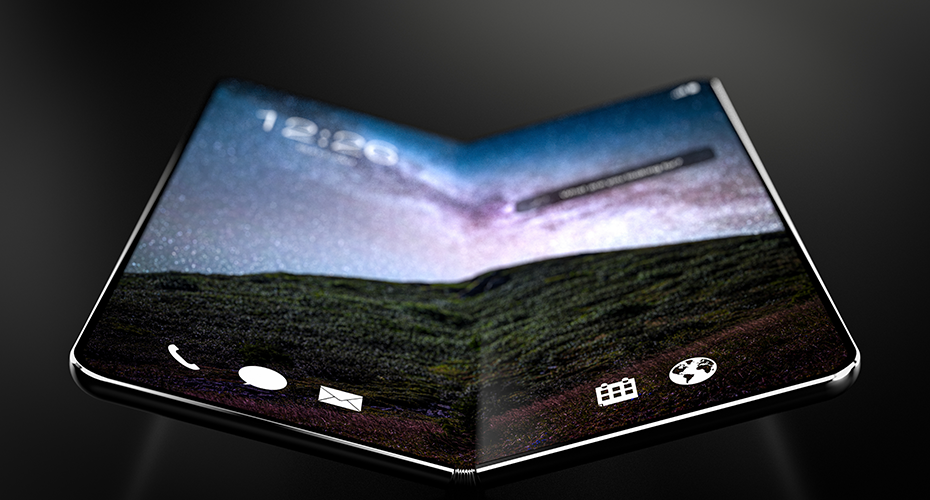
Foldable devices are making a resurgence after going dormant for many years thanks to the first iPhone release in 2007. The latest iterations of the “flip phone” allow for a larger screen than any traditional phone while folding up into a more compact form.
Responsive design for mobile apps will be key to accommodate both foldable and non-foldable phone users. Building a responsive and optimized app is integral to providing a superior user experience on these devices.
5G Technology
5G technology affords developers the opportunity to build realistic apps that are more visually stimulating, more secure, and higher performing. As 5G smartphone connections are forecast to rise in the coming years, users will experience seamless connectivity that supersedes their past experiences with fixed broadband.
Features of 5G that will influence app development include:
- Speed – Offers high-speed performance, measurably 100 times faster than 4G
- Bandwidth – Designed to perform across a wide array of bands improving connectivity
- Latency – Low latency allows for data delivery in a millisecond
- Connectivity – Offers connectivity for up to a million devices
As 5G continues to evolve, developers will leverage its advantages to meet consumer expectations.
Development For Wearable Devices
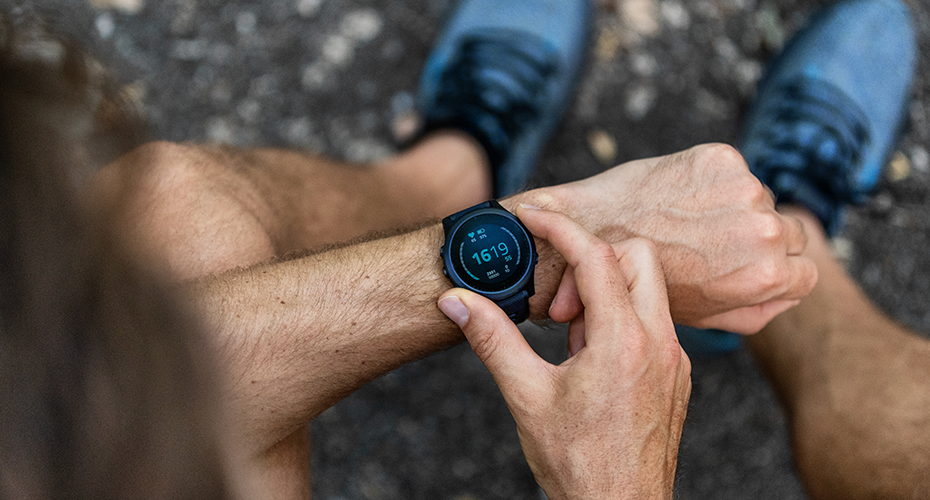
As wearable technology continues to become more popular, app developers remain diligent in designing for this market. Today, users can download tens of thousands of apps with the use of wearables. The global smart wearables market is expected to reach $31.95 billion in 2026
Types of wearable devices include:
- Smart watches
- Smart rings
- Smart glasses
- Smart clothing with sensors
- Smart earphones
- Medical wearables
- Biosensors
Consumer demands for personal health, safety, and convenience will continue to drive this market. Wearable testing will become more prominent to accelerate time to market for these devices and applications.
Artificial Intelligence (AI)
Artificial intelligence and machine learning have gained a reputation for accelerating digital initiatives and maximizing business outcomes, particularly in the app development space. Artificial intelligence can be credited with improving app performance and making them “smarter” overall.
Many AI features can be implemented into a mobile app, including:
- Biometrics – Sensory and voice recognition
- Speech and image recognition
- Predictive maintenance
- Face detection
- Text and image classification
- Emotion recognition
Mobile Wallets and Mobile Payments
Digital wallets offer users the convenience of sending money and making payments straight from their phone. The Global Mobile Payment Market is estimated to be worth $15.75 trillion by 2027.
Some popular solutions include:
- PayPal
- Apple Pay
- Apple Wallet
- Venmo
- Cash App
- Google Wallet
- Android Pay
- Samsung Pay
- Alipay
With their ease of use and speed of utilization, contactless payment solutions increased in popularity throughout the pandemic as individuals needed to practice social distancing. Contactless transactions grew twice as fast as non-contactless transactions in certain purchase categories. Wallet integration will continue to evolve and, in the future, become standard for all apps that process transactions.
Augmented Reality (AR) and Virtual Reality
AR and VR are transforming mobile app development with their ability to bridge the gap between the real world and the virtual world. App developers can integrate digital information in the real world in mobile applications. Pokémon Go is a great example of an AR app that revolutionized the market—it shot straight to the top of the app store charts on both Android and Apple, and just 7 days after its release it had over 20 million users active in a single day.
The Future of App Development
From their inception in the 90s to today, mobile applications have taken our smartphones from being useful to indispensable. Trends have propelled apps to new heights and will continue to do so. Companies must stay abreast of the latest trends to remain competitive and satisfy consumers’ every-changing needs. Having a partner on the cutting-edge of technology can help you maintain an innovative application.
Apexon provides end-to-end application development & engineering — specifically for today’s digital environment. We offer the latest technology including IoT, wearables, edge computing, and digital twins. Learn more about our mobile app development services or get in touch directly using the form below.