The global financial ecosystem is undergoing a massive shift with the adoption of ISO 20022—a data-rich, XML-based messaging standard that’s poised to redefine how financial information flows across borders. With institutions like SWIFT and central banks mandating migration from traditional MT messages to MX formats, organizations are facing both an opportunity and a challenge: How do you ensure seamless compliance while minimizing operational risk?
At Apexon, we believe success lies not just in migration—but in assurance.

Also Read: The Rise of Predictive Banking – How Financial Institutions Can Stay Ahead in 2025
Why ISO 20022 Matters More Than Ever
ISO 20022 isn’t just another compliance requirement. It enables richer data, better interoperability, improved reconciliation, and streamlined cross-border payments. For financial institutions, it paves the way for smarter automation, faster processing, and real-time fraud detection.
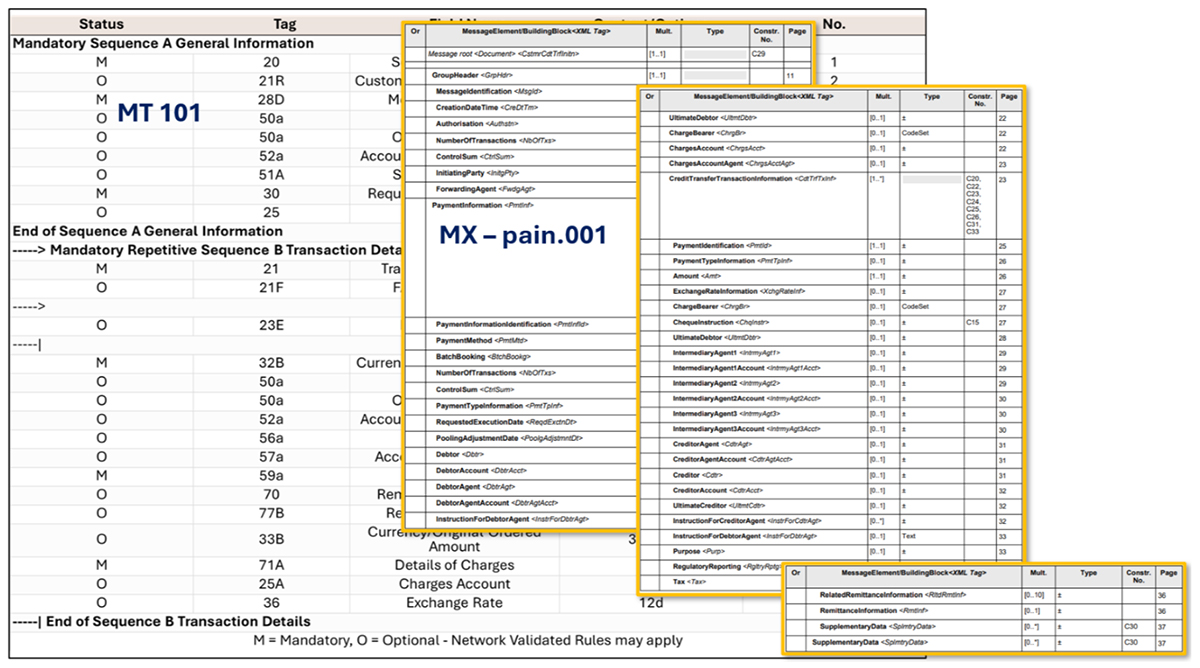
But the benefits come bundled with complexity. The richness of ISO 20022 creates a wider testing surface, greater integration challenges, and a higher dependency on third-party platforms.
Also Read: The Future of Banking: Harnessing Emotional AI for Deeper Customer Connections
The Hidden Risks of MT to MX Migration
Organizations often underestimate the intricacy of migrating to ISO 20022. Key pitfalls include:
- Partial data loss during translation between old and new formats.
- Inconsistent field mapping across counterparties and systems.
- Unintended payment processing errors due to misaligned validation rules.
- Compliance lapses from gaps in mandatory field validations.
In a tightly regulated environment, even a minor misstep can lead to significant reputational damage or financial penalties.
Why Testing Is the Cornerstone of ISO 20022 Readiness
Testing isn’t a one-time checkbox—it’s an ongoing assurance process. Here’s what robust ISO 20022 testing must include:
- Functional Testing: Ensuring correct message construction, field usage, and format adherence.
- Regression Testing: Verifying that legacy systems still function as expected post-migration.
- Cross-Platform Compatibility: Simulating interactions across global clearing houses and counterparty systems.
- Negative Testing: Validating how systems respond to malformed or non-compliant messages.
Also Read: Trust & Security: Tackling Model Bias Risk in the Financial Sector’s AI Revolution
Apexon’s Assurance Approach
Apexon brings deep BFSI experience and proven QA methodologies to help you simplify ISO 20022 migration. Here’s how we support clients:
- Automated Testing Frameworks tailored for ISO 20022 schemas.
- Message Validation Accelerators to map MT/MX fields and detect anomalies early.
- Test Data Management (TDM) CoEs for safe, production-like testing environments.
- Collaborative QA Pods to ensure agile, end-to-end validation with business teams.
Whether you’re upgrading your core payments infrastructure or integrating new SWIFT schema changes, Apexon ensures that your transformation is resilient, compliant, and future-ready.
Looking Ahead
ISO 20022 adoption is not a one-time migration—it’s a strategic enabler for long-term agility in banking operations. With regulatory deadlines nearing and global financial networks evolving fast, testing assurance is no longer optional—it’s mission-critical.
At Apexon, we help you transform compliance into confidence.
Let’s Talk
Want to learn how Apexon can streamline your ISO 20022 journey? [Contact us here.]